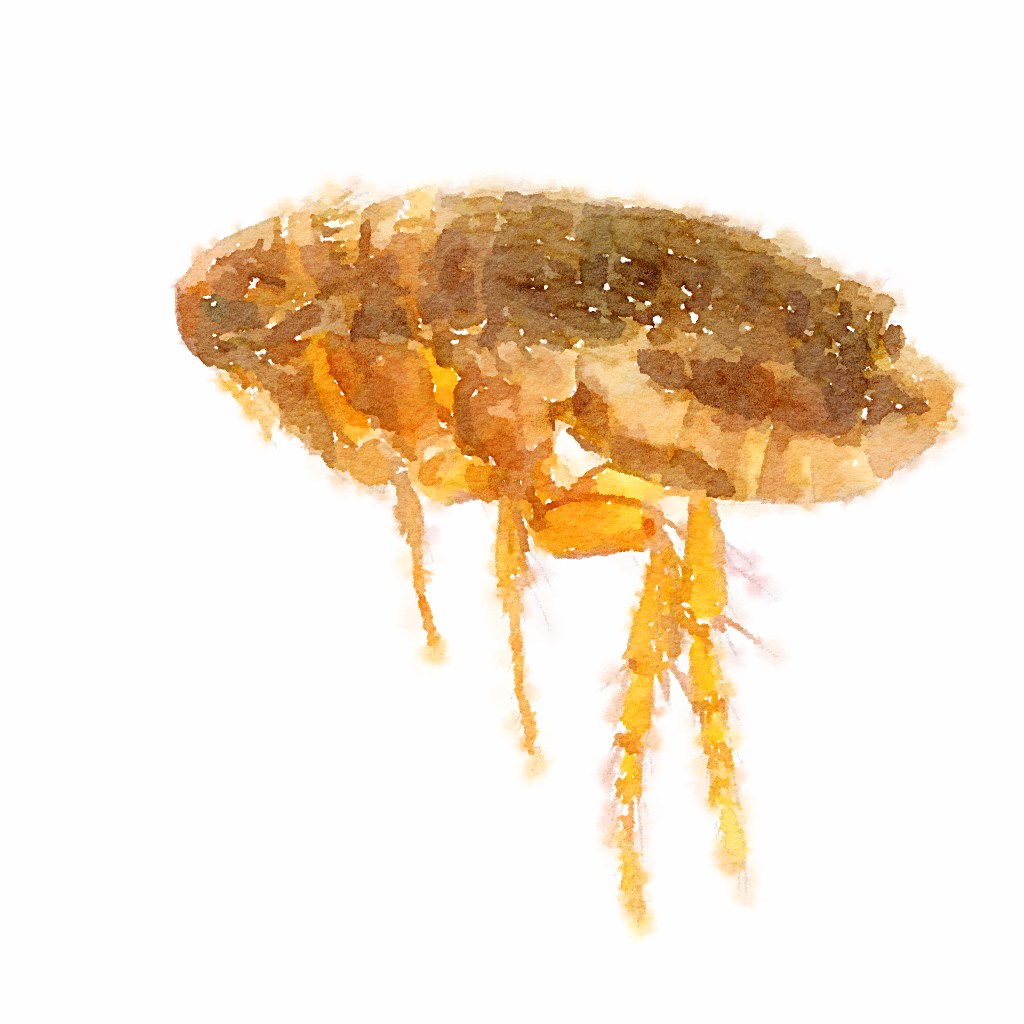
Bed bugs (Punaises de lit in french) are the uninvited guests that no one wants in their home. These tiny, nocturnal pests feed on human blood and can turn a peaceful night’s sleep into a nightmare. If you’ve ever experienced the discomfort of bed bug bites or spotted these pests in your home, you know the importance of getting rid of them promptly. In this blog, we’ll explore the signs of a bed bug infestation and provide effective tips on how to eliminate them.
IDENTIFYING BEDBUGS
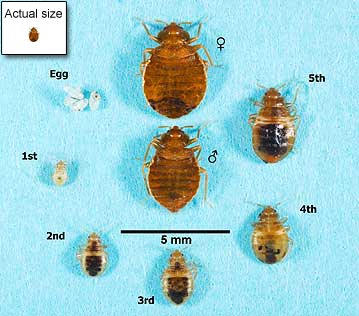
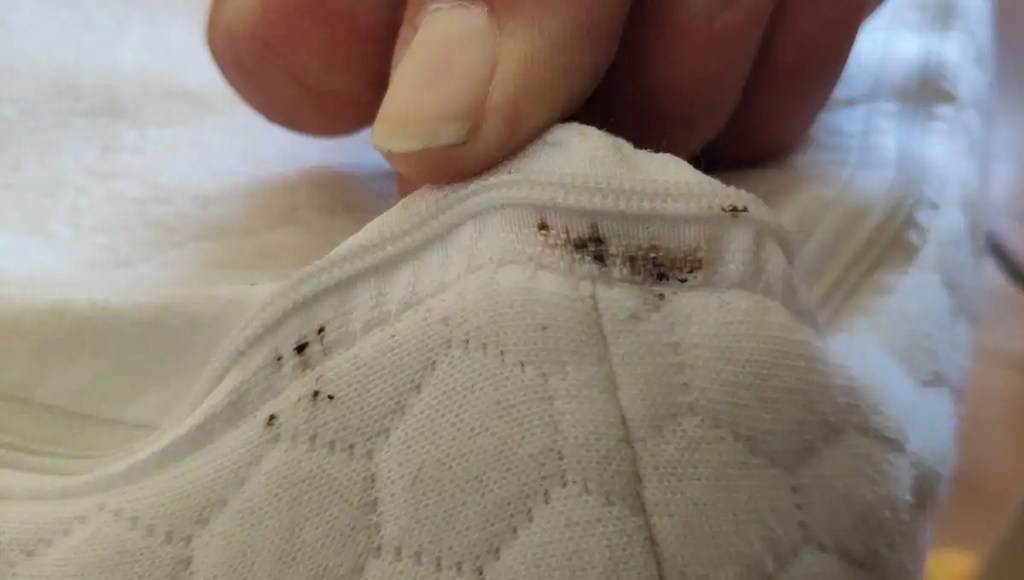
The first step in dealing with a bed bug infestation is to confirm their presence. Bed bugs are small, reddish-brown insects that hide in cracks and crevices near sleeping areas.
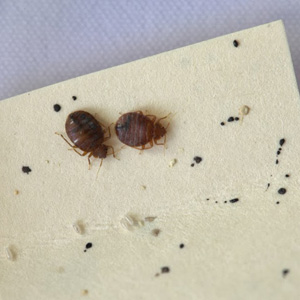
Look for tiny bloodstains on your sheets, rusty spots on your mattress, or small, itchy bites on your skin usually by three.

GETTING RID OF BEDBUGS –
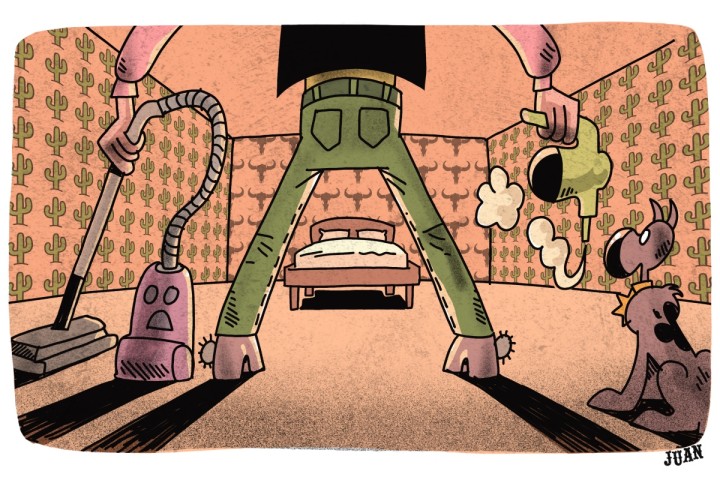
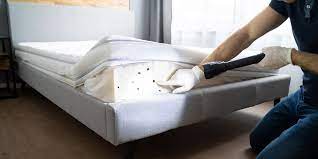
- Vacuum: Begin by thoroughly cleaning your living space. Vacuum your mattress, bed frame, and surrounding areas, paying special attention to seams and crevices. Dispose of the vacuum bag immediately to prevent the bugs from re-infesting your home. Seal the bag in a trash bag and leave it outdoor.
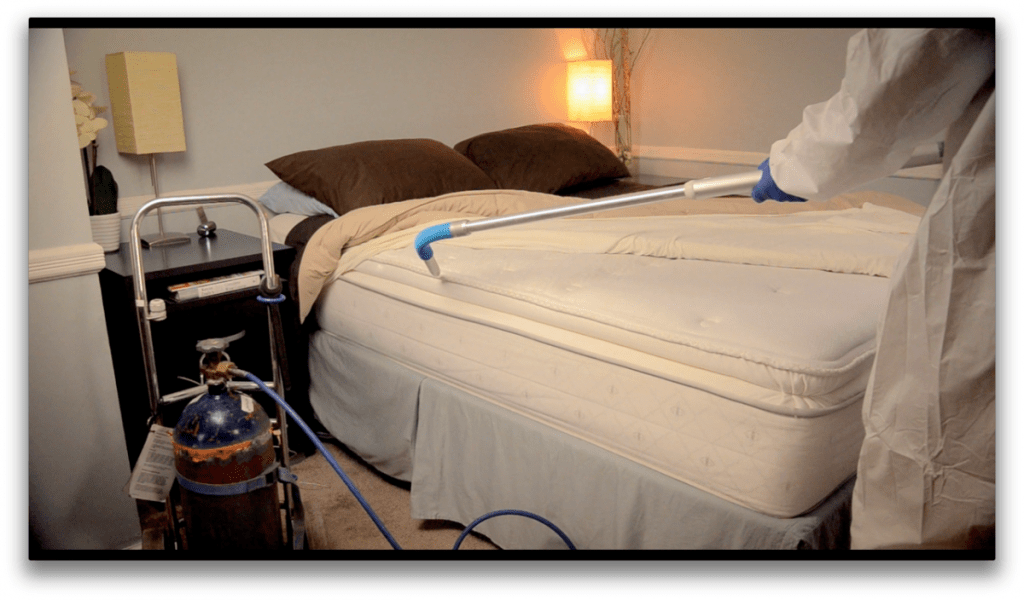
- Steam Clean: Use a high quality industrial steam cleaning machine. Use an industrial strength steam cleaner with two feature : continuou s steam and high boiler temperature—it should be rated close to 300 degrees so that the temperature of the steam coming out of the machine will be above 180 degrees
► This will reduce frustration. Inexpensive steam cleaners don’t get hot enough, and you will have to spend a great deal of time refilling the machine with water. - Wash Bedding and Clothing: Wash all bedding, linens, and clothing in hot water. The heat will kill both bed bugs and their eggs. Be sure to dry everything on the highest heat setting as well. Make your laundry routine bed bug-proof with dissolvable laundry bags. These innovative bags can be used to transport your clothes from the closet to the washing machine. Simply toss the entire bag into the washer, and it dissolves during the wash cycle. This not only contains any potential bed bugs but also eliminates the need for direct contact with your clothing.
- Encase Your Mattress: Invest in a bed bug-proof mattress encasement. These covers trap any remaining bed bugs inside the mattress and prevent new ones from infesting it. Make sure the encasement is labeled specifically for bed bugs.
- Use Insecticides: Consider using insecticides, but be cautious and follow the instructions carefully. Some insecticides may be harmful to humans and pets. If you’re unsure, consult a professional pest control service..
- Declutter Your Living Space: Bed bugs love clutter as it provides them with more hiding spots. Reduce the number of hiding spots by decluttering your living space. Get rid of unnecessary items and keep your home organized.
- Professional Pest Control: If your infestation persists, it may be time to call in the professionals. Experienced pest control services can assess the extent of the infestation and apply effective treatments.
10 TIPS TO PREVENT BEDBUGS
- Bedding Detection Devices: Incorporate bed bug detection devices into your preventive arsenal. Products like Climbup Insect Interceptors can be placed under the legs of your bed, creating a barrier that prevents bed bugs from reaching you while you sleep. These devices also serve as an early warning system, trapping any bed bugs attempting to climb onto your bed.
- Opt for Light-Colored Bedding: Choose light-colored sheets and comforters for your bed. Light colors make it easier to spot any signs of bed bug activity. Dark fecal spots or tiny bloodstains are more visible on lighter fabrics, allowing for early detection and swift action..
- Move Your Bed Away from the Wall: Create a bed bug barrier by moving your bed away from the walls. Bed bugs often use wall crevices to travel and hide. By keeping your bed away from potential entry points, you make it more difficult for them to reach you.
- Inspect New Clothing Immediately: Exercise caution when introducing new clothing items into your home. Before placing them in your closet or dresser, inspect them thoroughly. Bed bugs can easily hitch a ride on clothing, so it’s essential to catch any potential infestations before they spread.
- Wash New Clothes Promptly: Wash new clothes as soon as you bring them home. Use hot water and a high-heat drying cycle to eliminate any bed bugs that may have made their way into the fabric. This simple precautionary step can prevent the introduction of bed bugs into your living space.
- Hotel Safety Measures: When staying in hotels or accommodations, exercise caution to prevent bed bugs from hitching a ride back home with you. Place your luggage in the bathtub upon arrival—bed bugs struggle to crawl on smooth surfaces such as tiles or porcelain. Keep your suitcase closed when not in use, and conduct a quick inspection of the wardrobe and bed before unpacking.
- Vacuum-Sealed Clothing: At home, take proactive steps to protect your clothing. Consider storing infrequently used clothes in vacuum-sealed bags. By removing the air, you create an environment that is less hospitable for bed bugs. This not only prevents infestations but also helps you maximize storage space.
- Regular Inspections: Routinely inspect your living space for any signs of bed bugs. Pay close attention to seams, cracks, and crevices near sleeping areas. Early detection is crucial in preventing a small problem from becoming a full-blown infestation.
- Educate Yourself: Stay informed about bed bug prevention techniques and their habits. Knowing what to look for and being aware of potential risks can help you take proactive measures to safeguard your home.
- Professional Pest Inspections: Consider scheduling regular pest inspections conducted by professionals. This can provide peace of mind and early detection of any potential issues, allowing for swift and effective action.
Vigilance and proactive actions are your best allies in maintaining a bed bug-free home and ensuring a restful night’s sleep. ‘
Sweet dreams and a bug-free living space await you!